What you can build
picogame is a retained-mode 2D engine: it redraws only what moved, so it shines where a mostly-still screen carries a few busy things on top. In practice that makes it strong at:
- Tile-based worlds — top-down RPGs and maze games: big boards for almost no RAM.
- Scrolling shoot-’em-ups — pooled bullets and enemies streaming across the screen.
- Single-screen arcade & platformers — a hero, platforms, animated art, a framed HUD.
- Pseudo-3D racing — a perspective road that bends as you steer, drawn by StripDraw with no extra RAM.
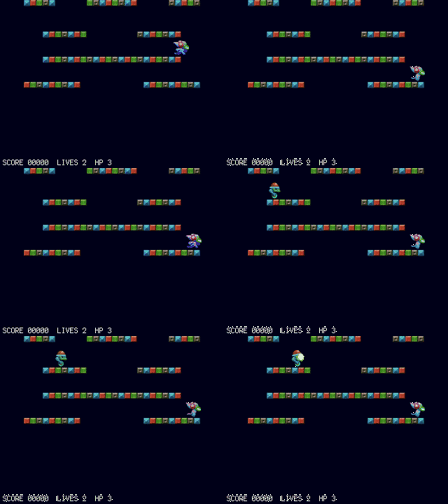
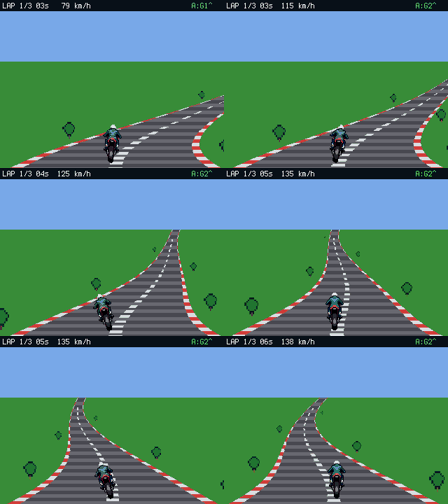

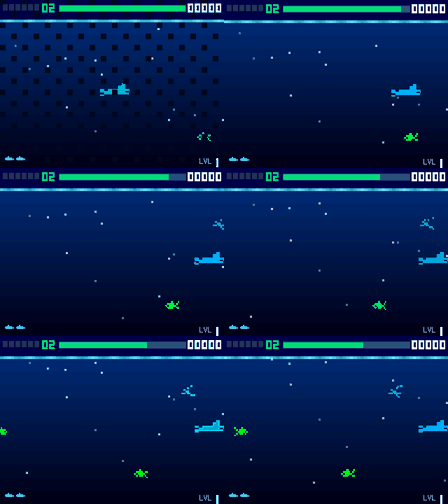
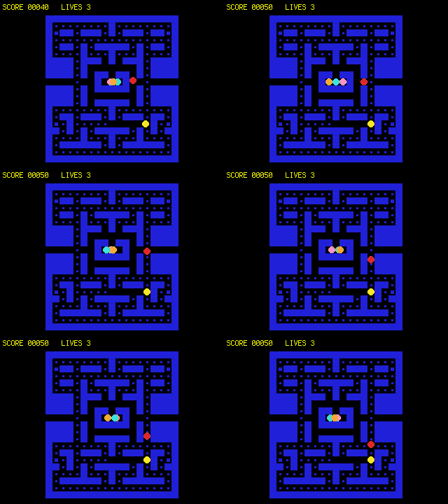
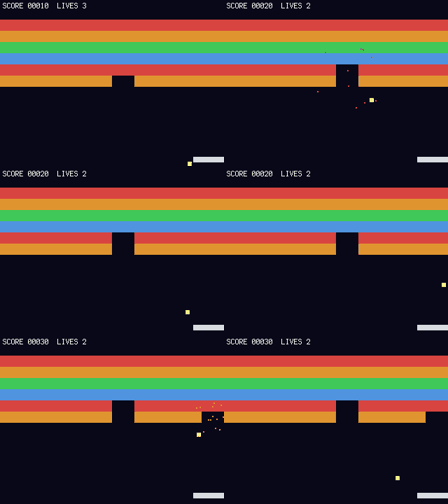
Every title is downloadable from the picogame repo, and its header comment lists exactly what it uses — so the closest example doubles as your template.
Small effects, clear feedback
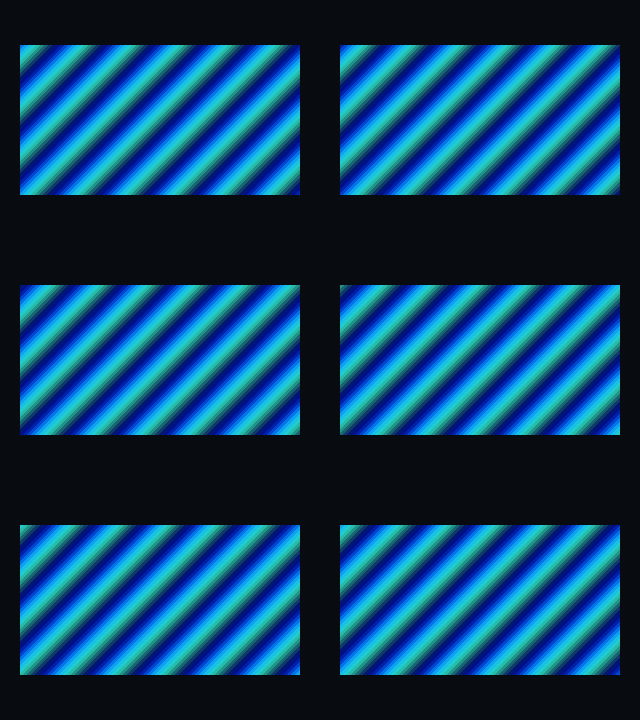
Section titled “Small effects, clear feedback”The same engine gives you the juice that makes a game feel good — screen shake, particles, eased motion, palette tricks — each a couple of lines:



What it’s not: picogame is 2D — not a 3D engine, no heavy physics, and on the RP2040 not full-screen 60 FPS. Design within those limits and lean into them.
Ready to make one?
Section titled “Ready to make one?”- Make your first game — five minutes to something moving.
- The tutorials — build a Breakout, a shooter, and an RPG step by step.